
DATE
2025/8/31 – 9/14
LOCATIONS
Matsuyama City, Tobe Town and Imabari City in Ehime prefecture
FACULTY MEMBERS
Yusaku Imamura (Professor, Global Art Practice Department, Graduate School of Fine Arts, TUA)
Ryo Mikami (Professor, Department of Ceramics, TUA)
Yatin Lin / 林亞婷 (Dean of International Affairs Office, Associate Professor, School of Dance, TNUA)
Louise Yang / 楊育睿 (Assistant Professor, Graduate Institute of Museum Studies, TNUA)
Kaushik Chakraborty (Faculty of Communication Design, Animation Film Design, NID)
Varun Shashni (Faculty, Apparel Design, NID)
Kenichiro Egami (Project Assistant Professor, Global Support Center, TUA)
Naoto John Tanaka (Research Assistant, Department of Arts Studies and Curatorial Practices, The Graduate School of Global Arts, TUA)
Koji Kato (Staff, Global Support Center, TUA)
Mei Miyauchi (Project Research Assistant, Global Support Center, TUA)
Research Support
Imabari City
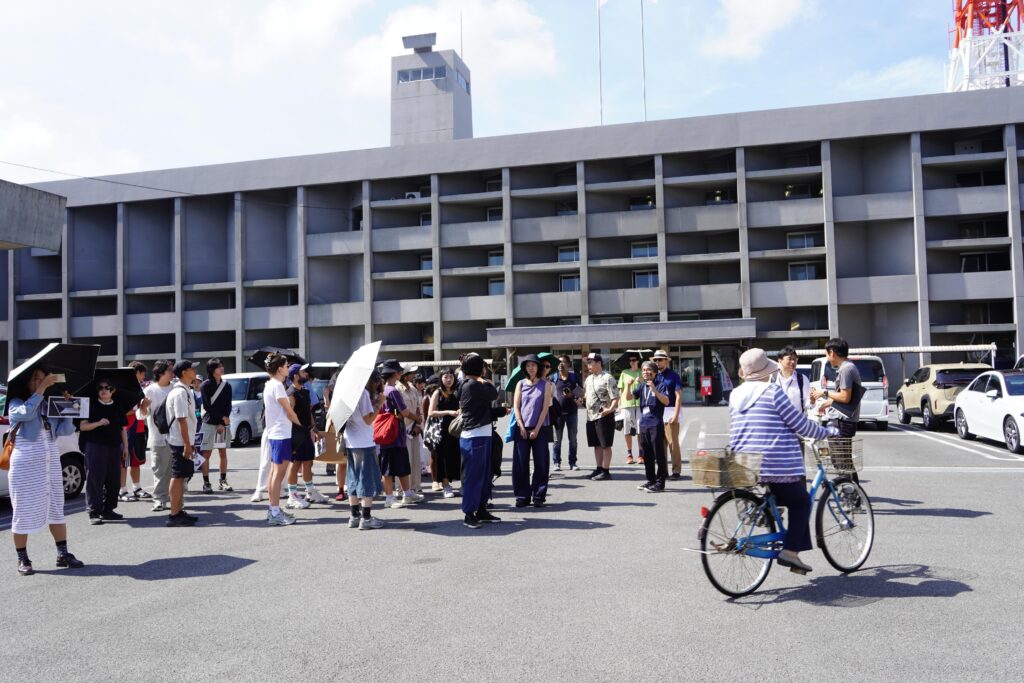
Kenzo Tange Architectural Buildings (City Hall, Civic Hall, Public Hall, Ehime Shinkin Bank Imabari Branch)
Ehime Prefecture, Japan Fisheries Cooperative, Miyakubo Branch
Noshima Castle Traces
Murakami Kaizoku Museum
Ochihisa Stone Center
Kirosan Observatory
Morinotomodachi Forest’s Friend Farm
Tobe Town
Oogeta Ancient tombs at General Sports Park
Tobe Museum Street
Tobe-Porcelain Traditional Industry Hall
Climbing Kiln at Tobe Yaki Traditional Industry Hall
Tobo-Yuu
Tobe thrust faults
Clay Quarry (Iyo Mining Company)
Rock Stomping Mill (raw materials for Tobe ceramics)
SUKOSHIYA Matsuda Kiln
Goshouen-Gama (Kiln)
Matsuyama City
Ehime Prefectural Government Office
Dogo Onsen
Himitsujanai Kichi
Hogon-ji temple
Iyo Textile Industry Cooperative Association
Collaborators
Art Communicater, Hime-Ler
Artist In Residence -yu-
local residents
Collaborative Local Arts Festival
art venture ehime fes 2025
Organizer: art venture ehime (Ehime Prefecture × Tokyo University of the Art)
Co-organizers: Imabari City, Tobe Town, Uchiko Town
art venture ehime fes 2025 office (NINO inc. / 株式会社NINO)
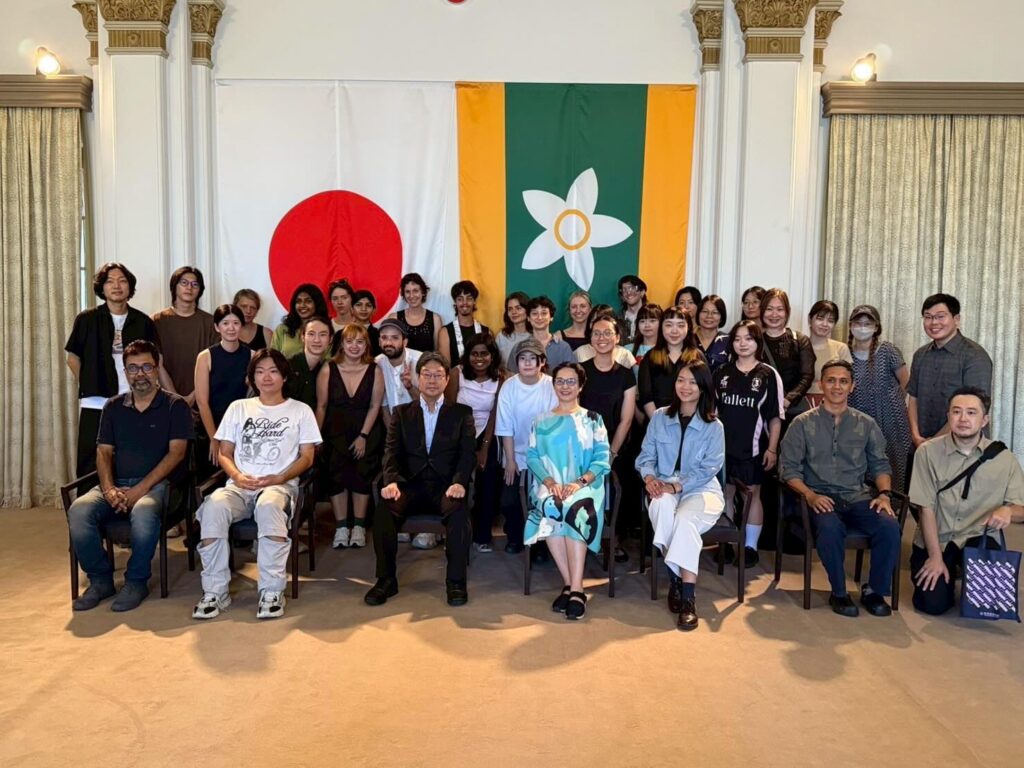
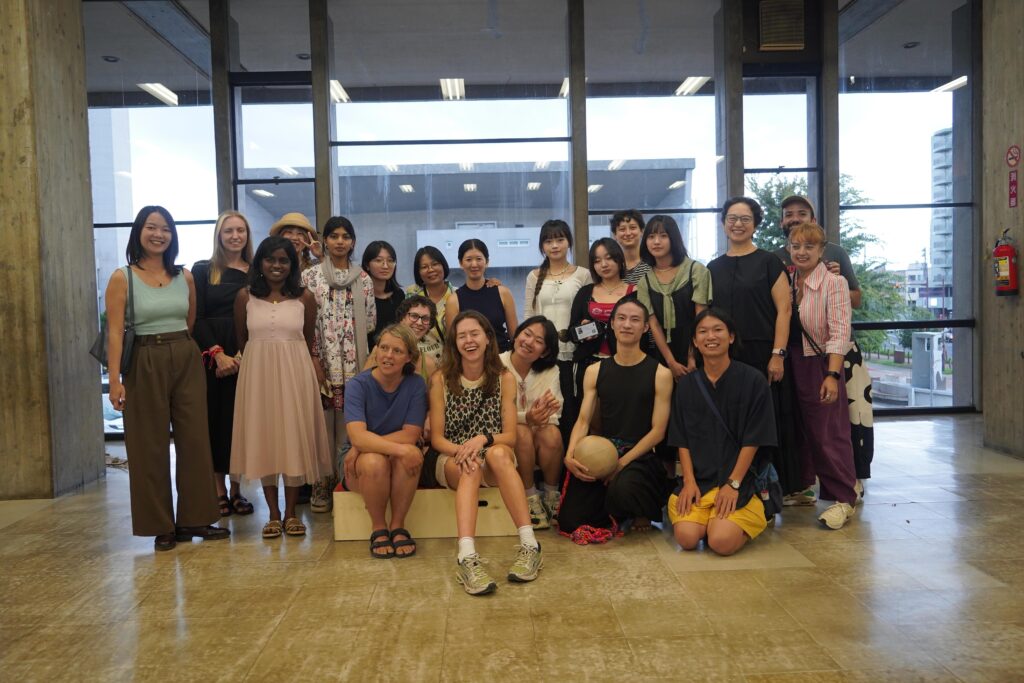
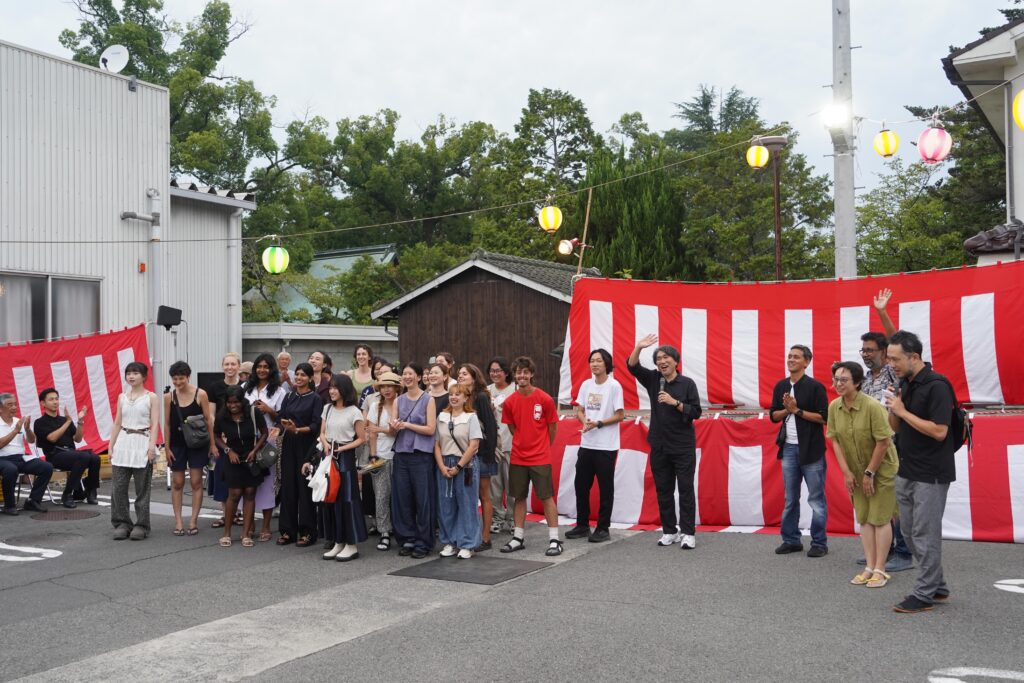
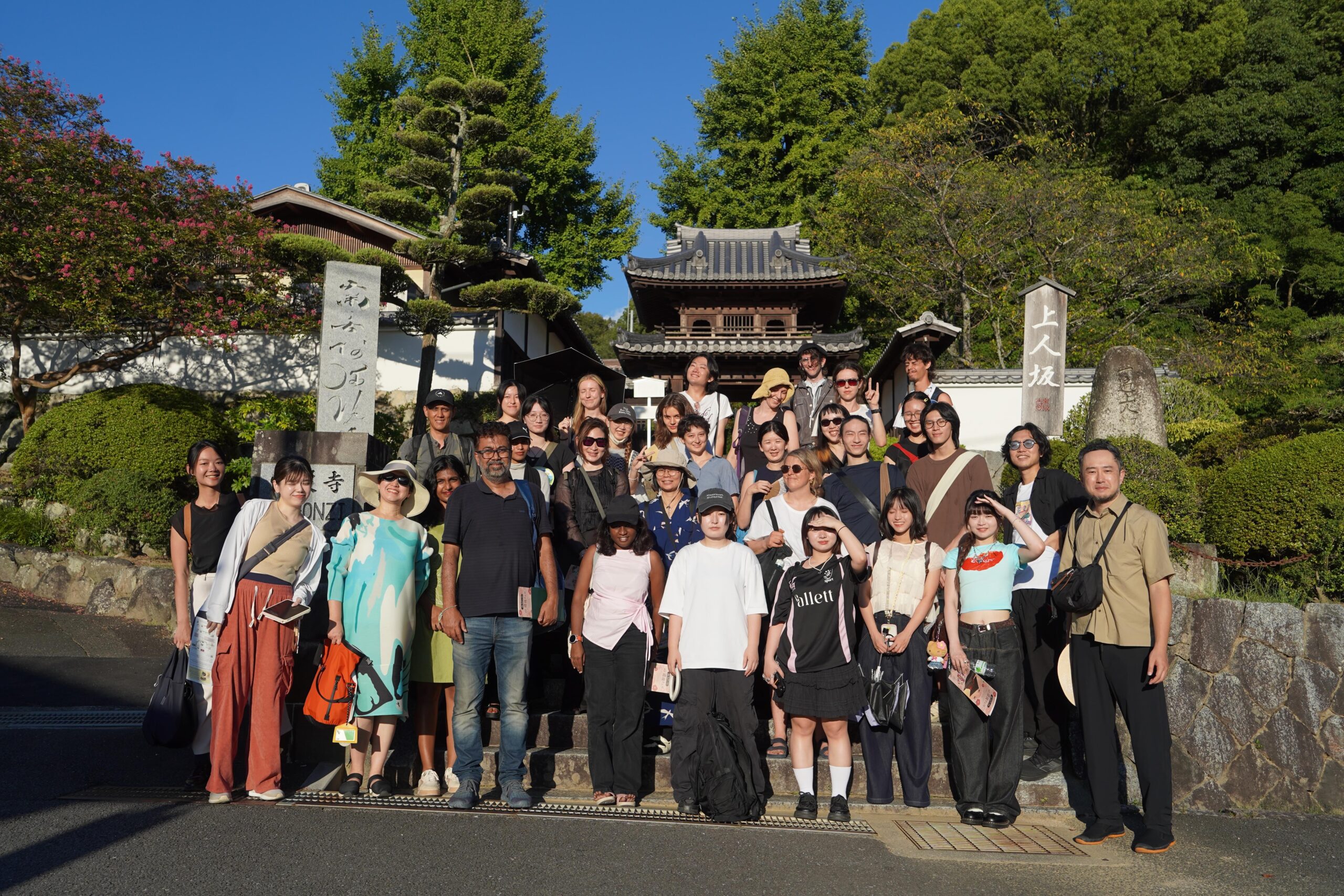
This program focused on “soil” and “land,” aiming to reexamine the relationship between humans and soil, rediscover ancient worldviews through art, and explore sustainable societal models. Twenty-nine students studying at art universities worldwide—in Hong Kong, Singapore, Australia, India, Taipei, Tokyo, and Zurich—participated. Soil is both the foundation of life that nurtures plants and agricultural products, and a material that has supported cultural activities as the basis for ceramics. Using this deeply human-connected element of “soil” as a starting point, the program examined relationships with the natural environment and local culture from multiple angles.
In recent years, Tokyo University of the Arts has addressed sustainability issues from an artistic perspective, adopting “Soil and Land” as a theme within its Global Expansion Initiative. This program established Ehime Prefecture as its base for practical implementation, conducting locally rooted research and production activities.
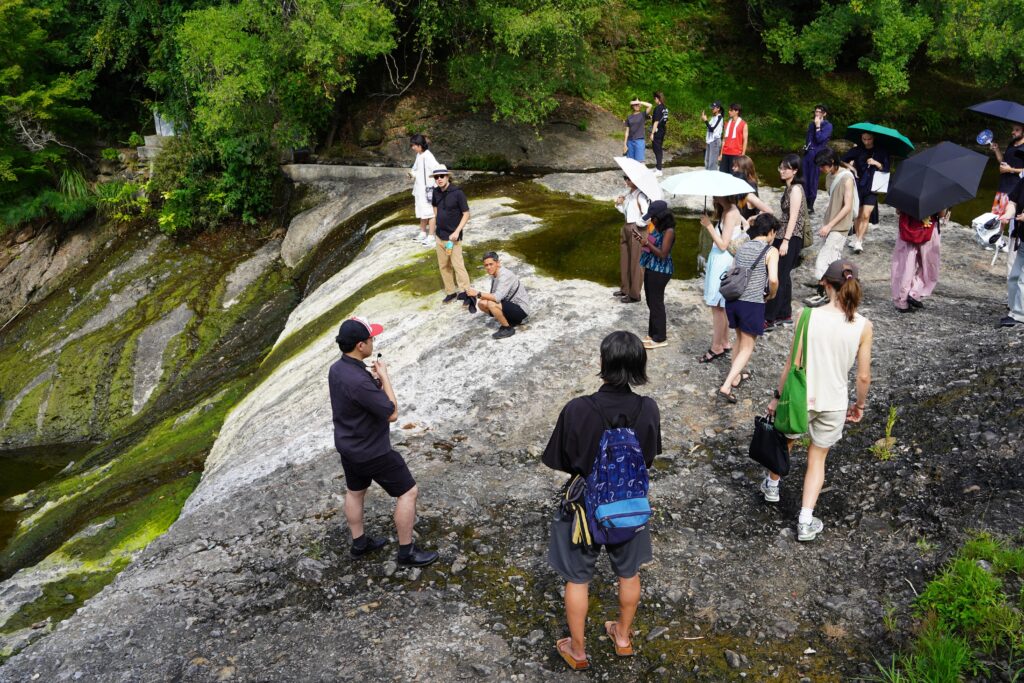
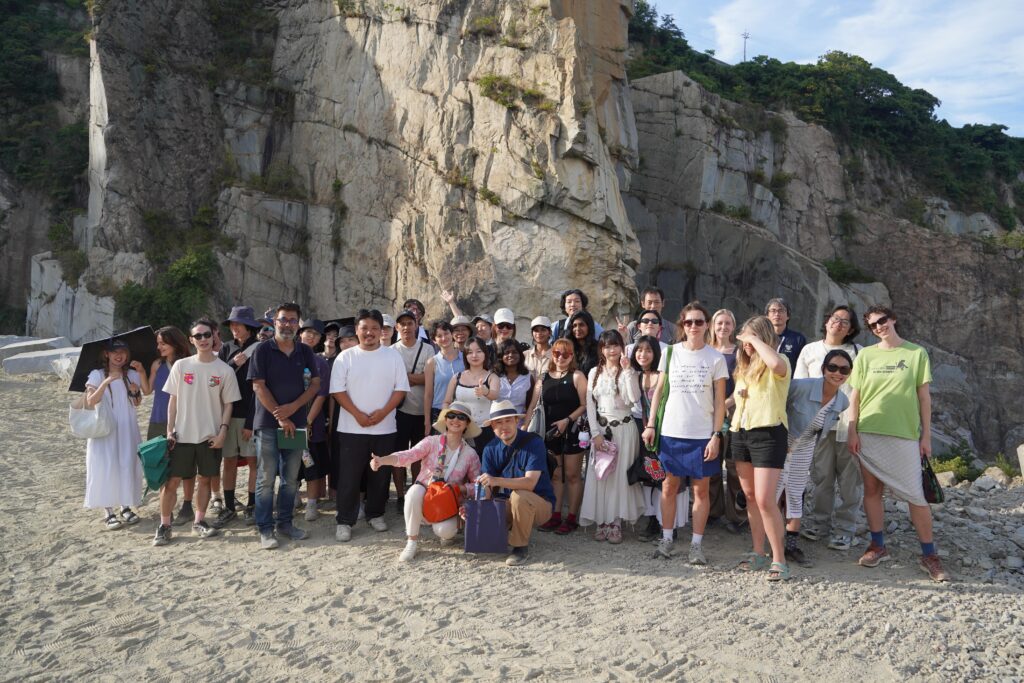
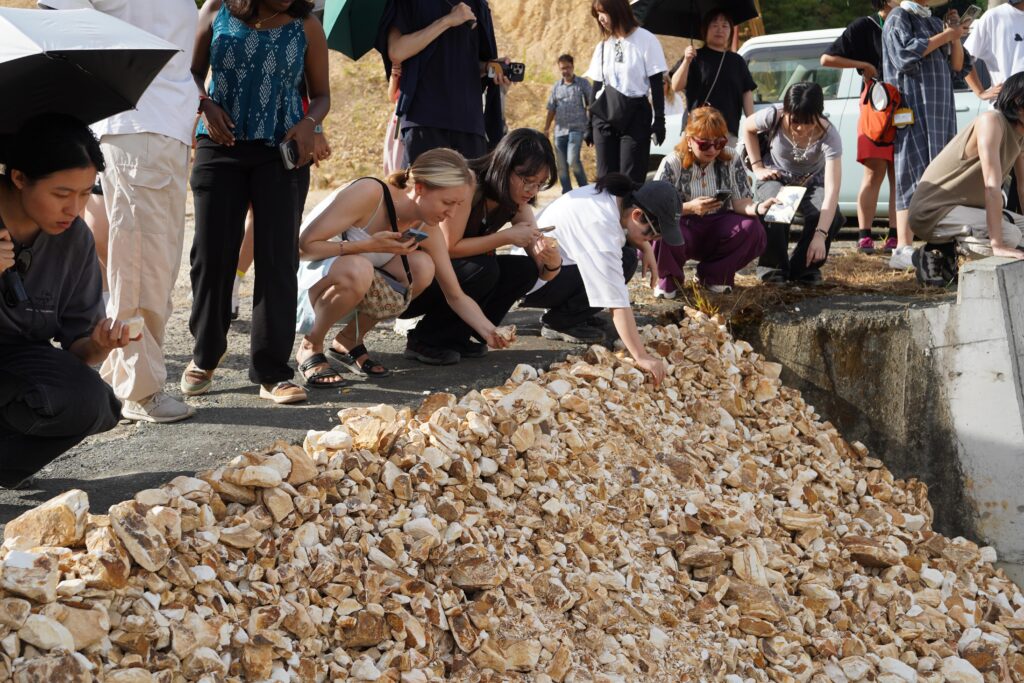
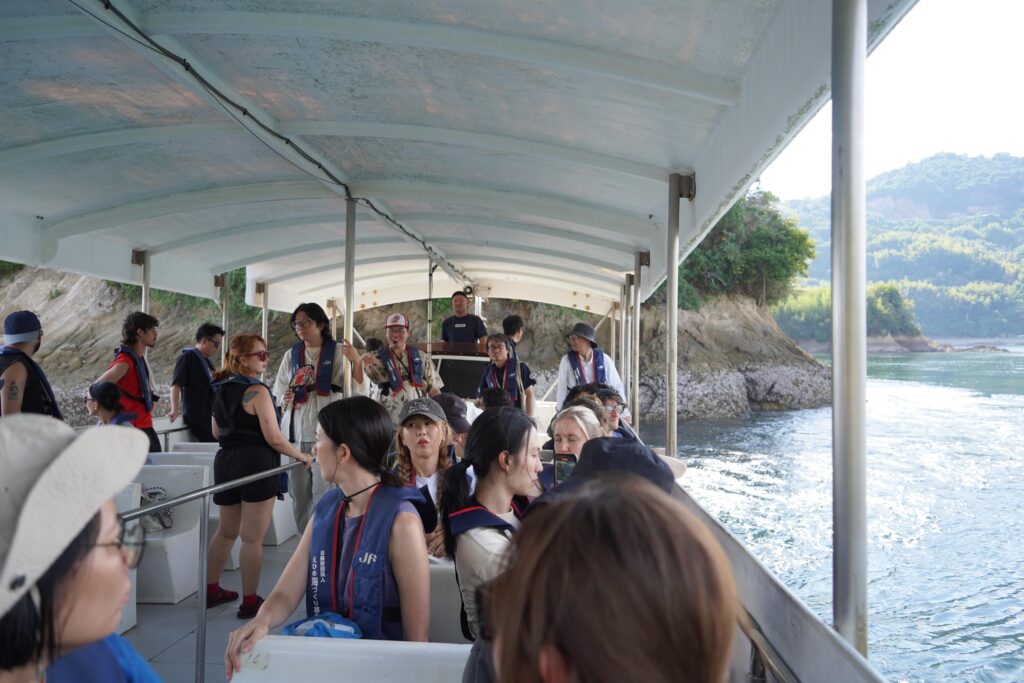
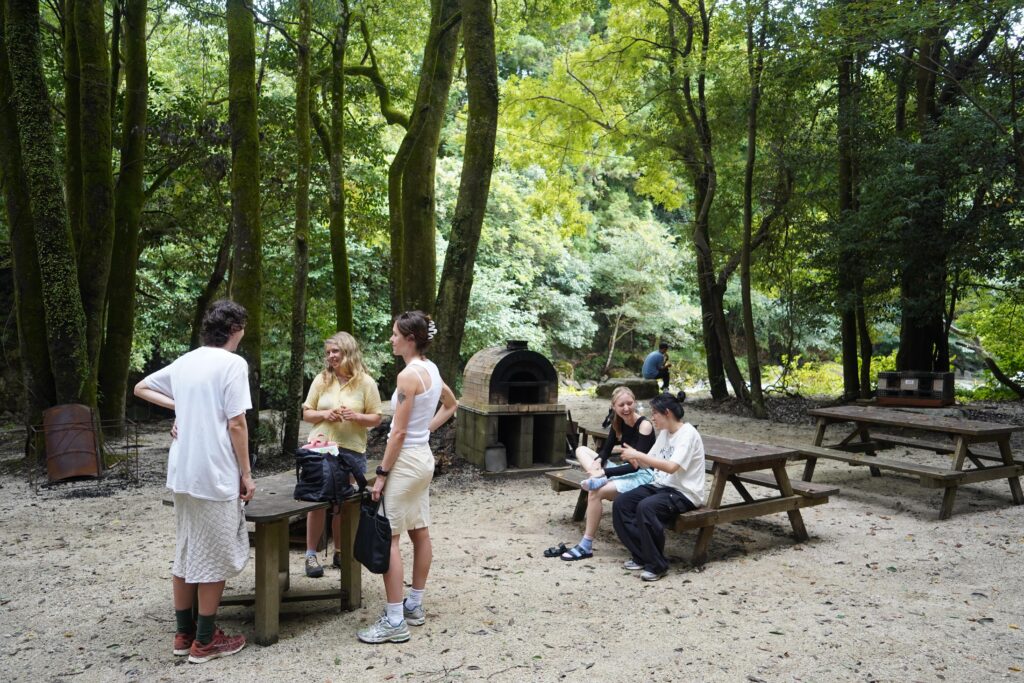
During the first half of the program, field research was conducted primarily in Matsuyama City, Imabari City, and Tobe Town within Ehime Prefecture. Through investigating environmental challenges faced by each region, visiting cultural facilities and traditional craft workshops, and attending lectures, participants deepened their understanding of the issues confronting Japanese local communities and the background of regional culture. Participants contemplated the nature of sustainable regional culture, considering the relationship with local history, natural resources, and industry.
In the latter half of the program, building on the research from the first half, participants developed their individual themes and engaged in artwork creation. The resulting works were exhibited at the regional art festival “Art Venture Fest Ehime,” held in October 2025. This provided an opportunity to communicate to society, through their artworks, the perspectives gained through local research and interaction.
Ehime Prefecture is located on Shikoku Island in western Japan, blessed with a warm climate and rich natural environment. It is known for industries such as agricultural and marine products, shipbuilding, and is also famous as a mandarin orange production area. Furthermore, it possesses diverse regional cultures, including tourist resources like hot springs, the Imabari towel industry, and traditional crafts such as Tobe ware. However, like many regional cities in Japan, it also faces challenges such as population decline, aging demographics, and shifts in its industrial structure. This program examined the sustainable potential of regional culture through art, taking these local circumstances into account.