
DATE
2026/1/3 – 1/18
LOCATIONS (India)
National Institute of Design, Ahmedabad
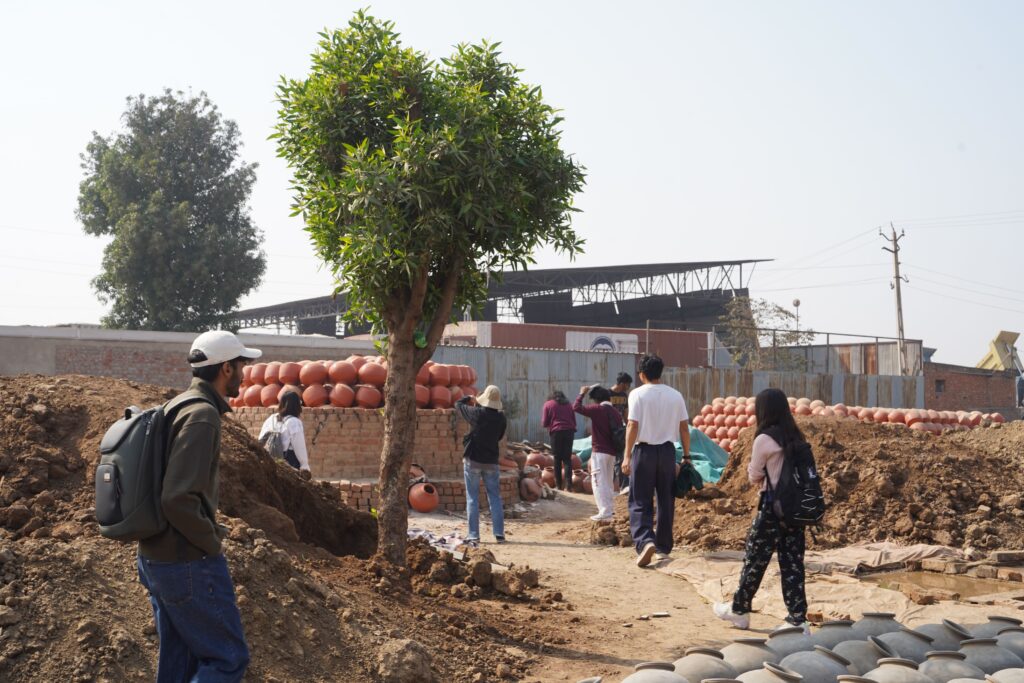
Sarkhej (Pottery community)
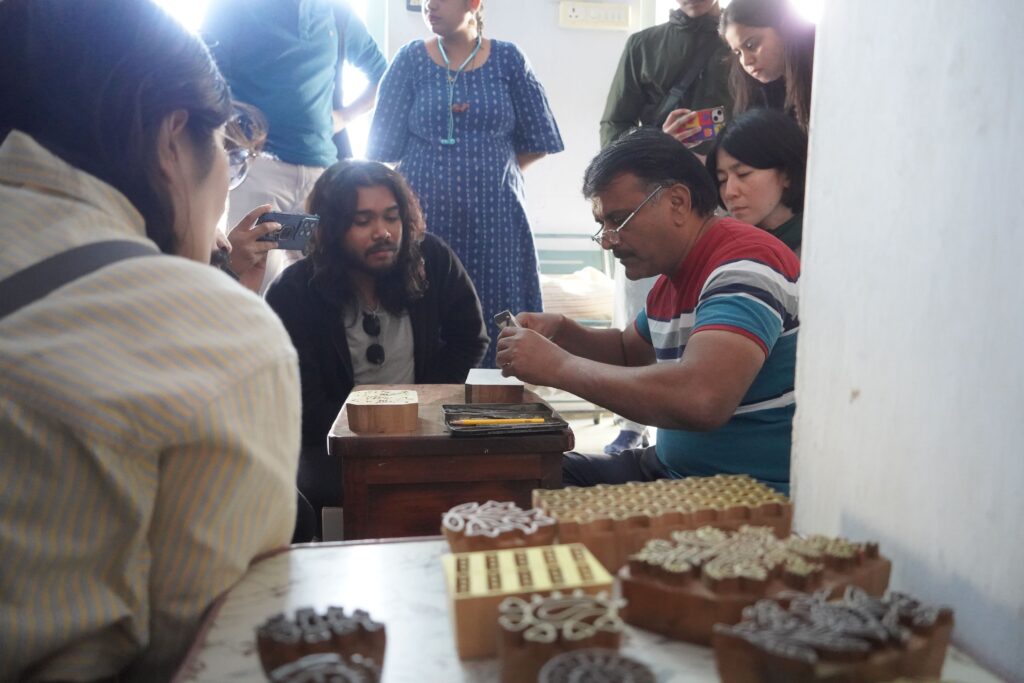
Pethapur (Wooden block maker community)
FACULTY MEMBERS
Mari Iwabuchi (Technical Instructor, Ceramics Laboratory, Department of Crafts, Fine Arts, TUA)
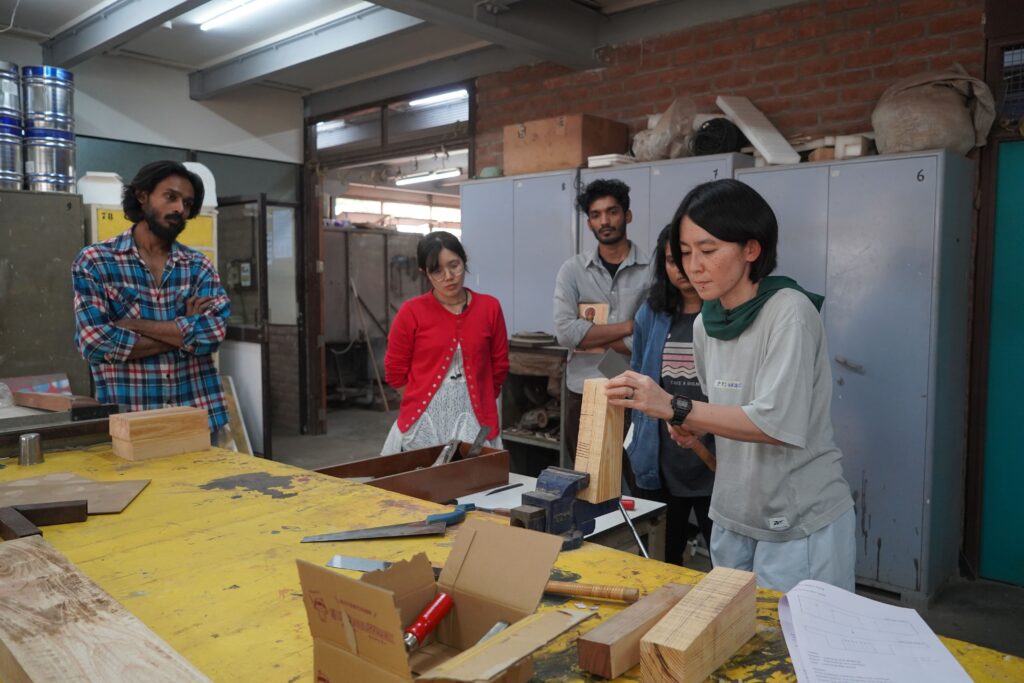
Naoko Hayashi (Research and Teaching Assistant, Wood Workshop, General Workshops, Fine Arts, TUA)
Mei Miyauchi (Project Research Assistant, Global Support Center, TUA)
Cooperations (community and facilities)
Sarkhej(Pottery community)
Satish Prajapati(Wooden block maker community)
Earth Tatva(Recycled Clay workshop)
SARDAR PATEL FARM(Organic farm)
LOCAL COORDINATION
Prachi Ghanekar (NID Ceramic Studio)
Sahil Thappa (Artist / Designer)
CERAMIC STUDIO INSTRUCTION SUPPORT
Anand Prajapati
Prachi Ghanekar
Ranjeet Sinh Solanki
Bharat Kumar Prajapati
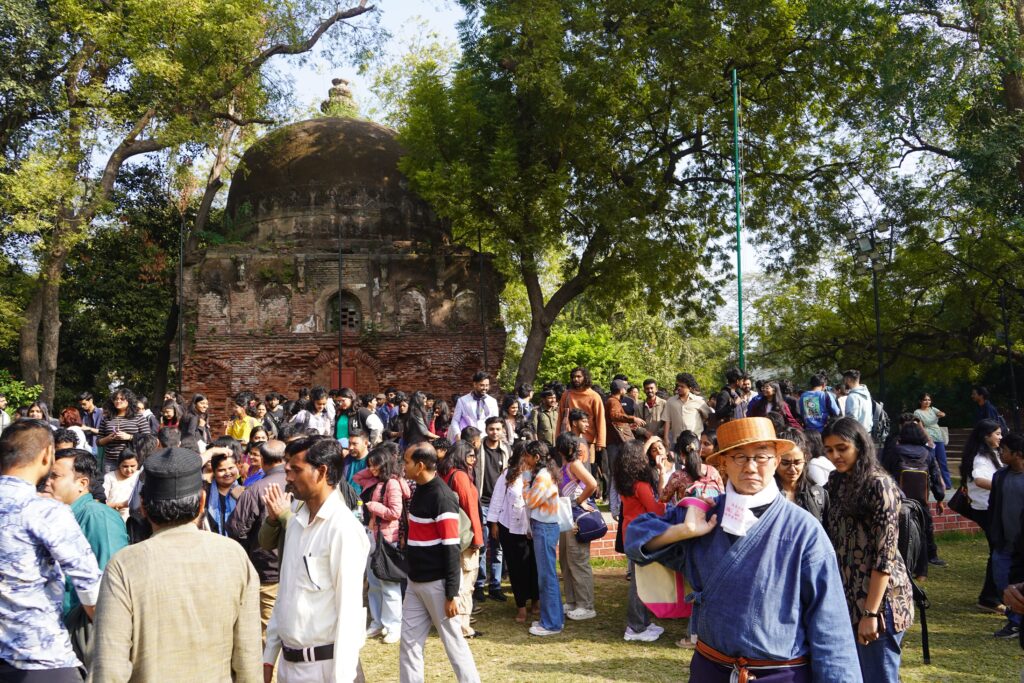
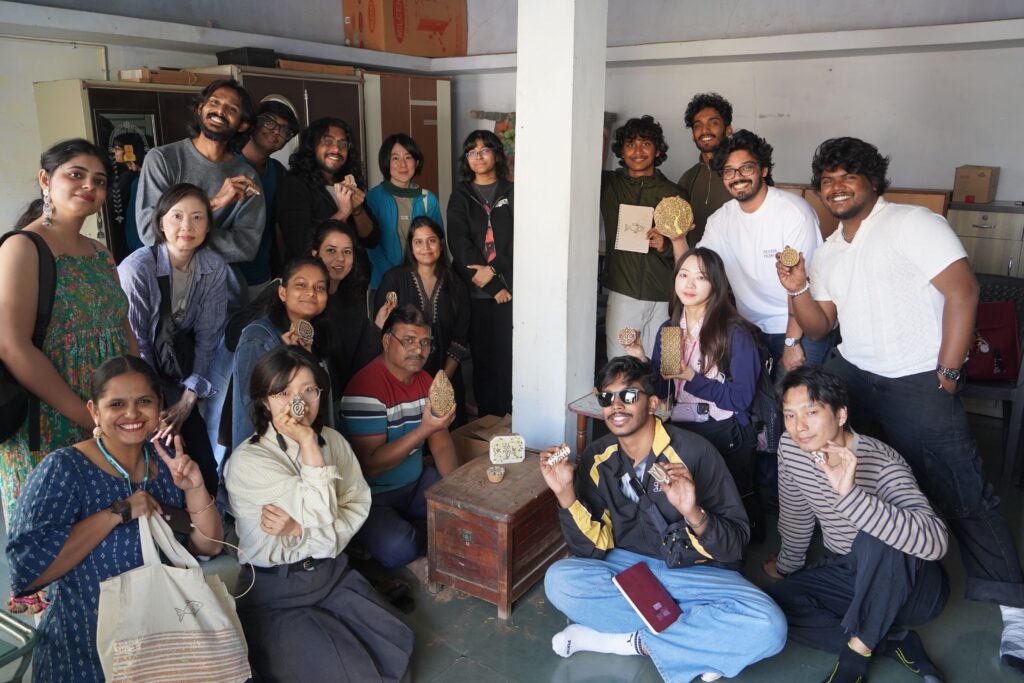
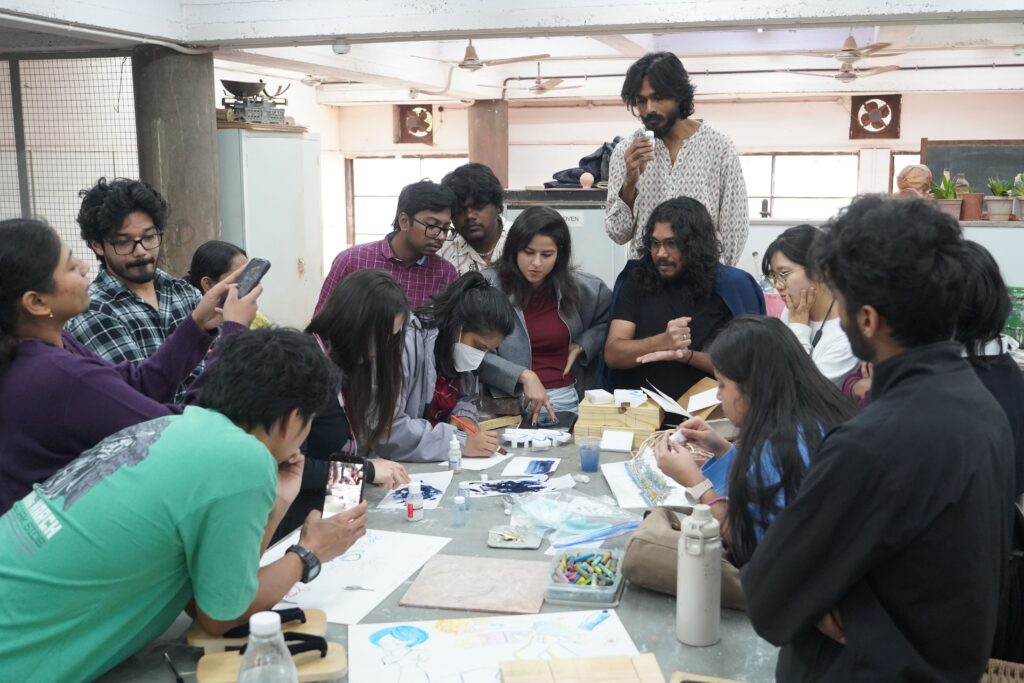
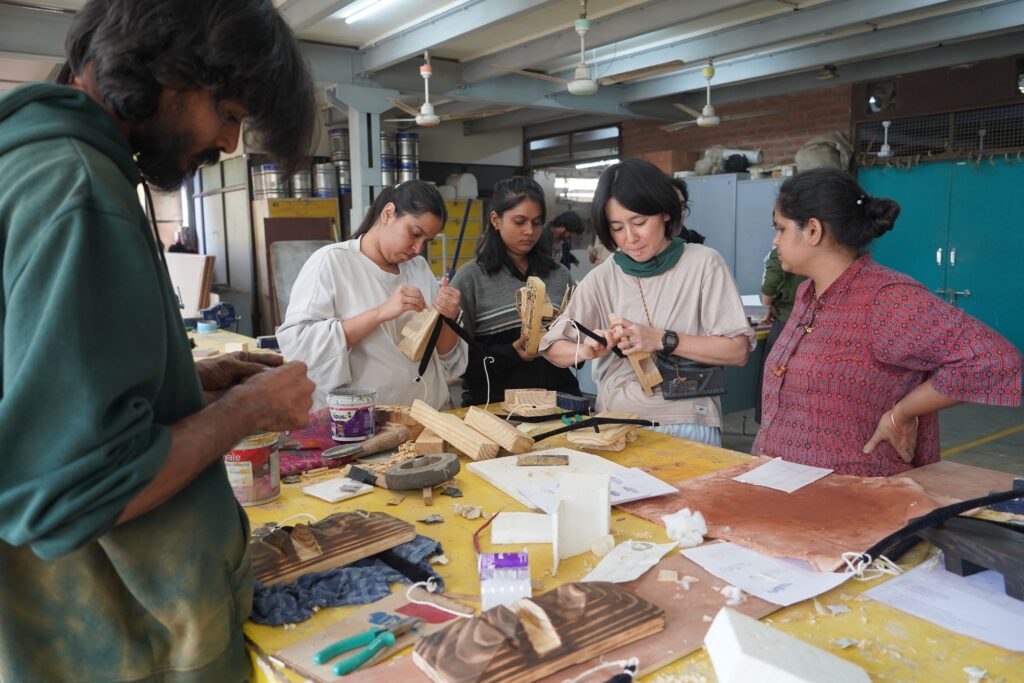
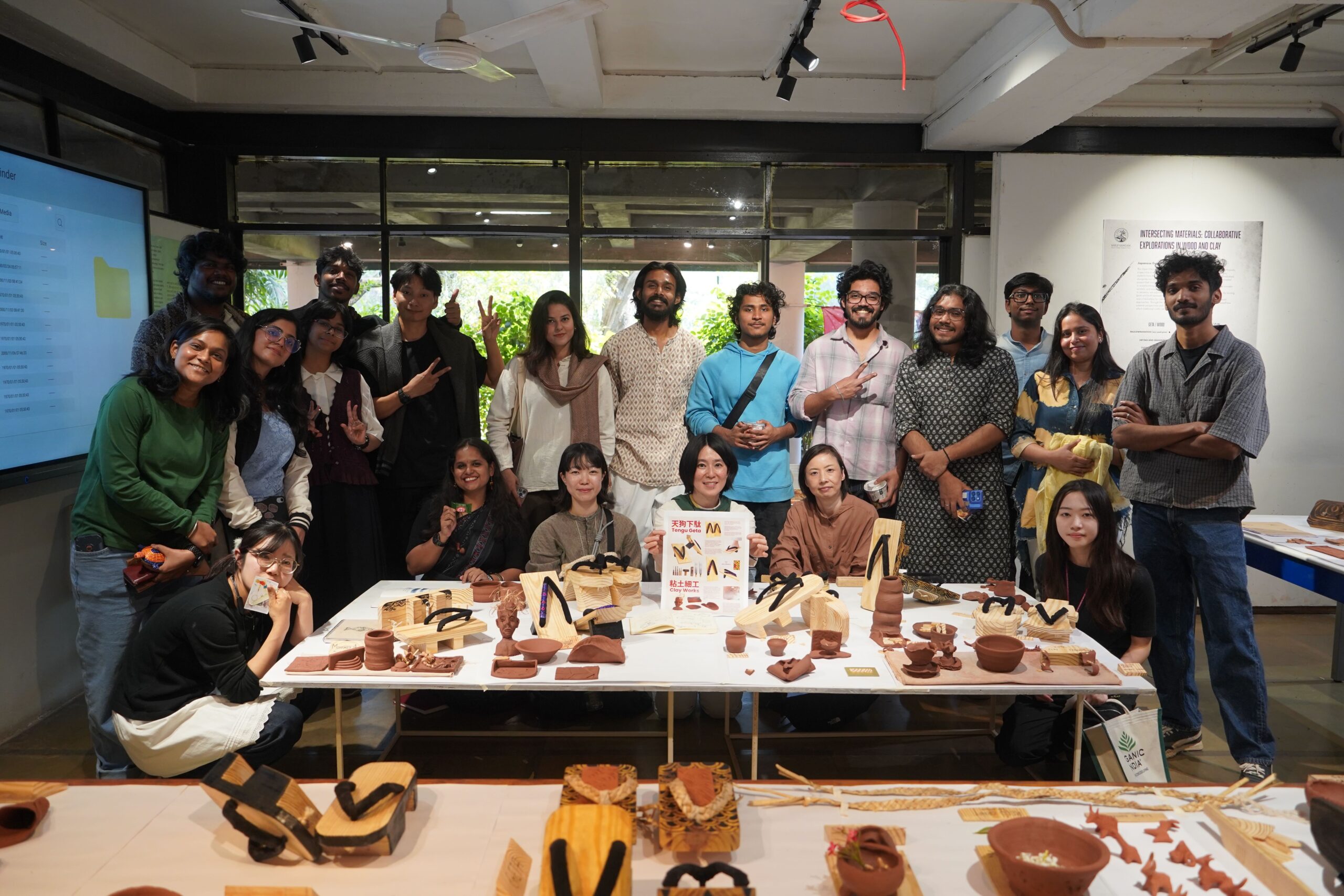
We conducted a workshop titled “Crossing Clay and Wood: Experiments in Craft” as part of the International Open Elective hosted at NID (National Institute of Design, Ahmedabad). The Open Elective (OE), which normally invites course proposals from around the world each year, was this time carried out through a nomination-based selection process. Under the theme “SHILP SANGAM: Rooted in Tradition, Shaping the Future,” nearly twenty craft practitioners gathered from across India and various Asian countries to deliver a two-week modular course in which each participant passed on their skills to students. Our university dispatched two faculty members specializing in woodworking and ceramics respectively, along with one faculty member providing operational and interpretation support. A total of sixteen students participated: fourteen from NID and two master’s students from our university.
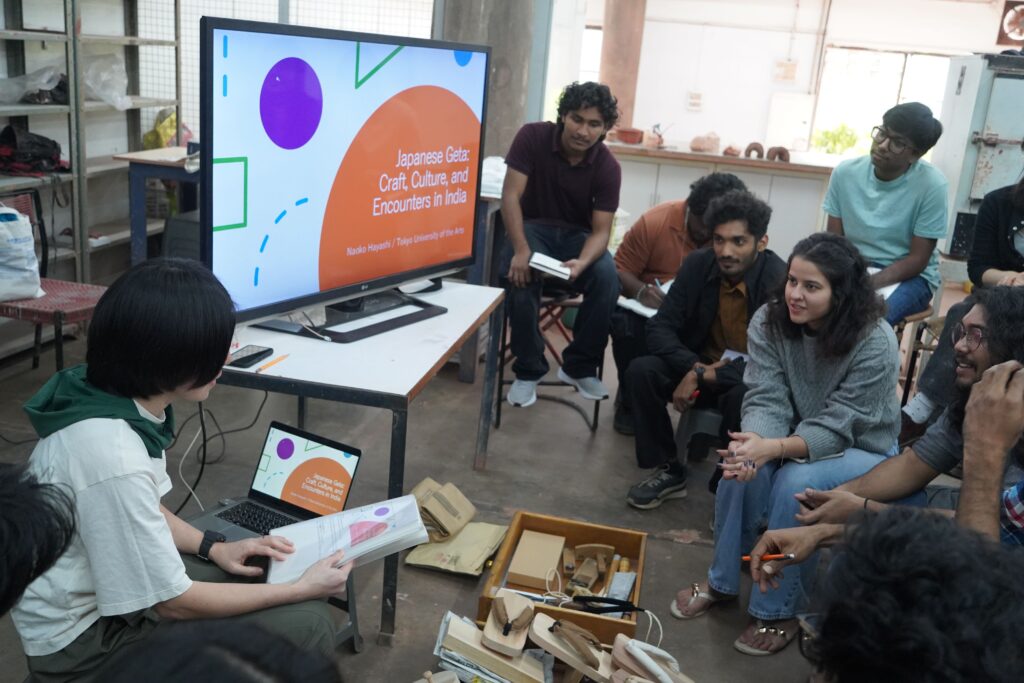
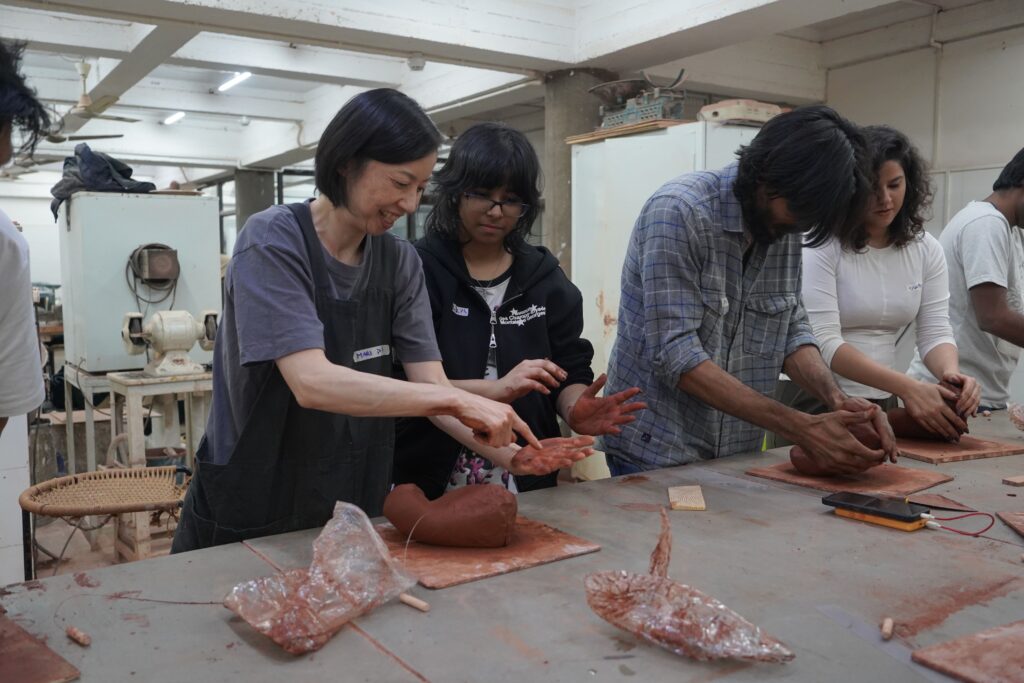
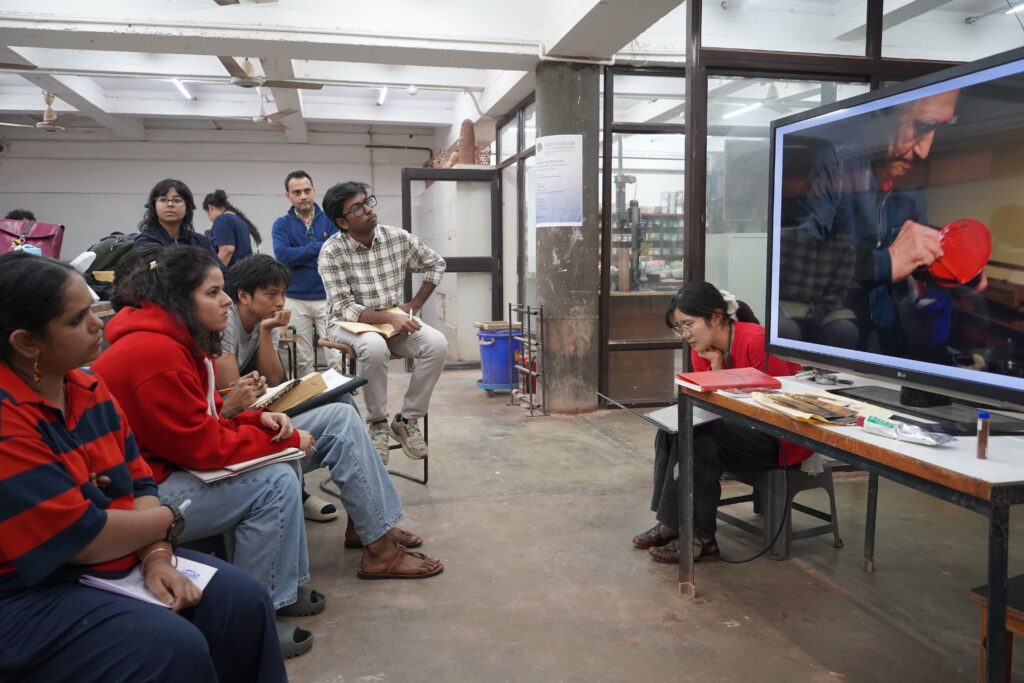
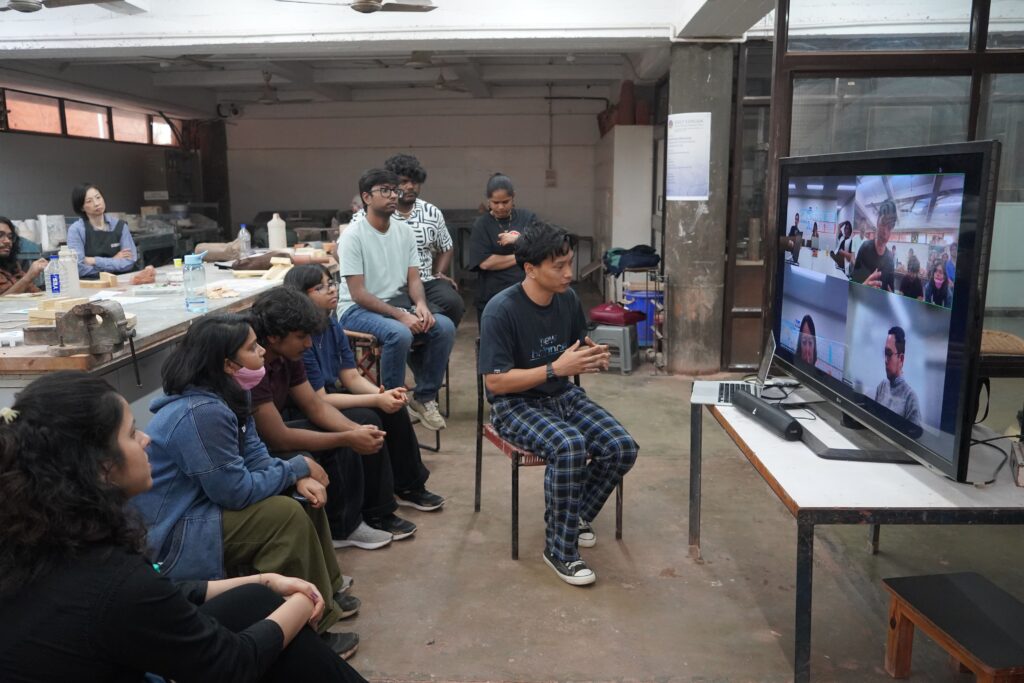
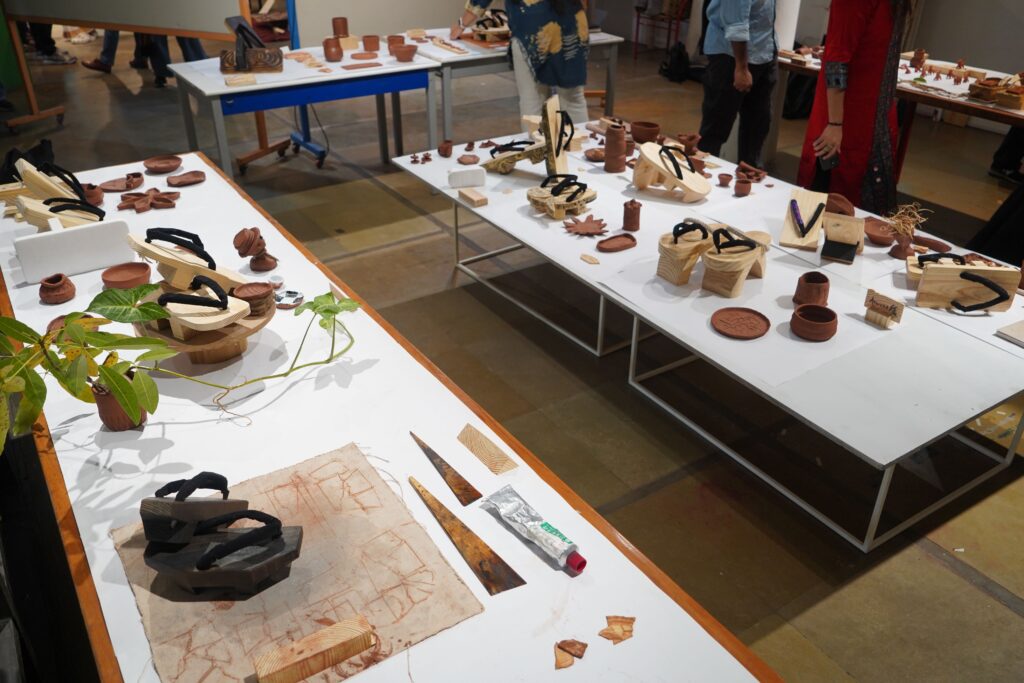
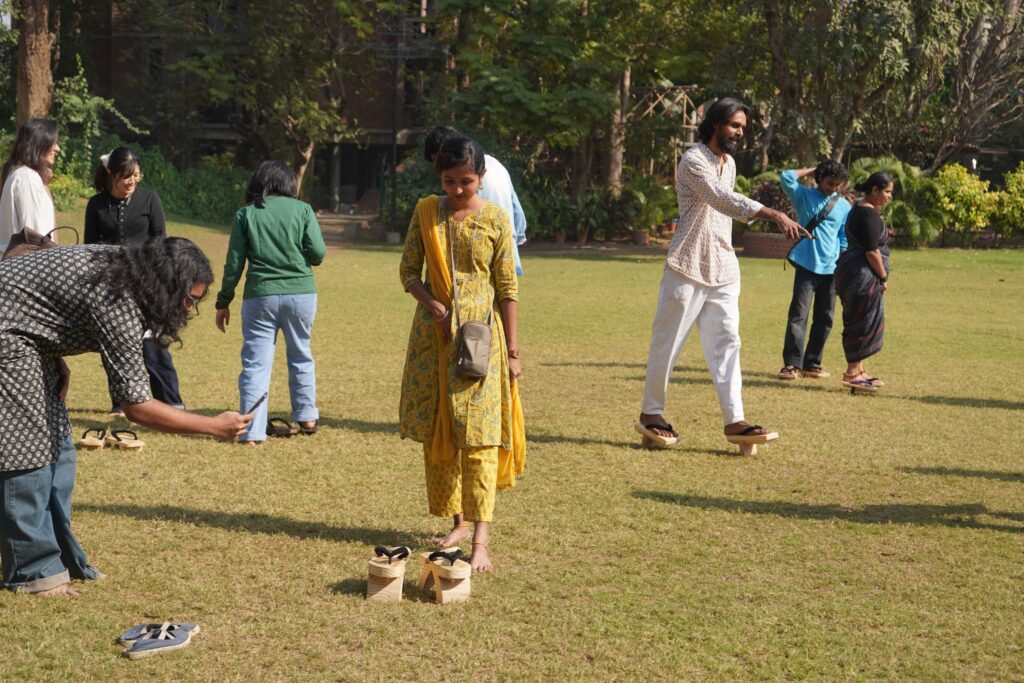
The central making activity of the course was the production of geta — traditional Japanese wooden footwear. Throughout the making process, students individually documented the process using clay, working with the offcuts of wood generated during production. The participating students came from a wide range of disciplines, including architecture, universal design, retail design, and animation, and their individual sensibilities emerged vividly as they moved back and forth between wood and clay. In addition, Akika Eguchi, a student dispatched from our university, gave a presentation on urushi (Japanese lacquer), and Aoi Kaneko presented on ai (indigo), sharing techniques and materials unique to Japan and engaging in lively exchanges with local students. Furthermore, International Co-Learning Class B was held in a format connecting the local site with Japan, with students from both NID and our university taking a central role in the session.
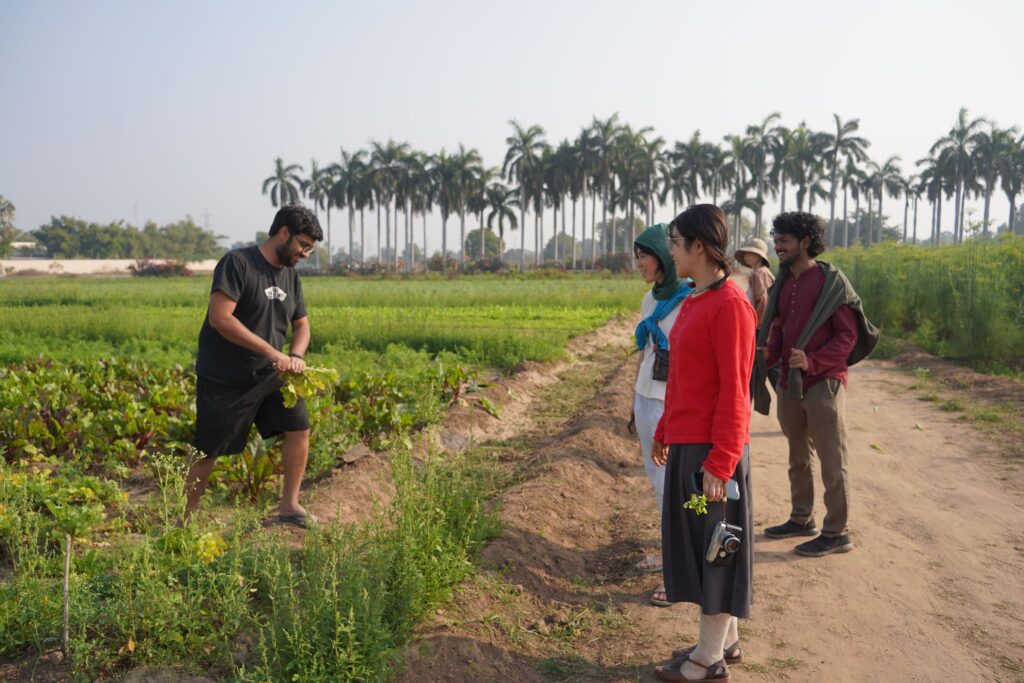
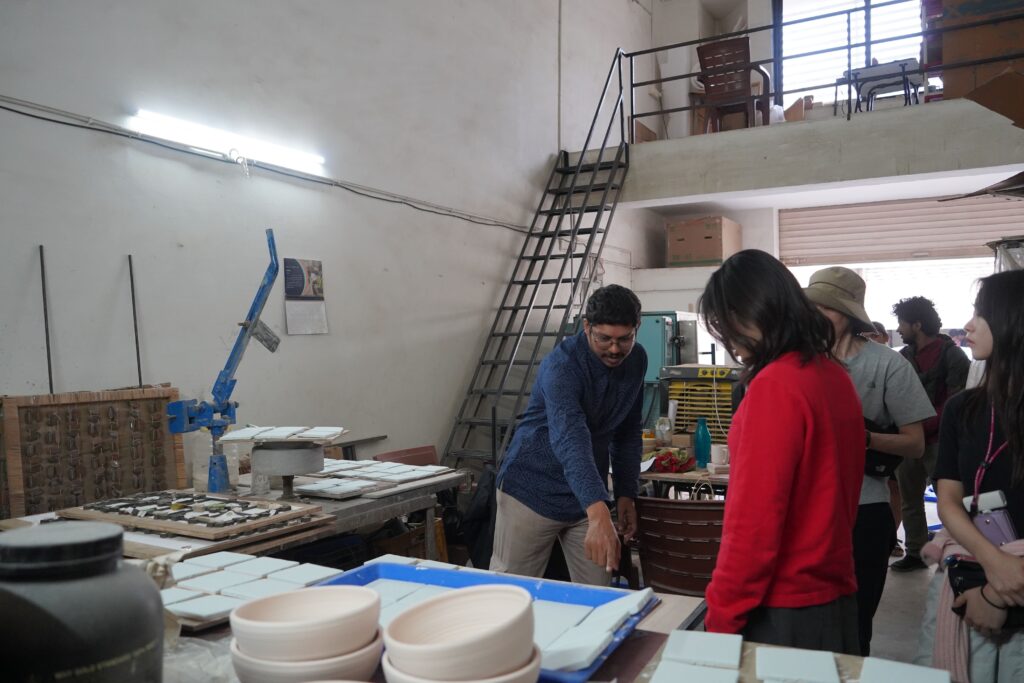
In conjunction with the coursework, participants conducted field research at a local art museum, a studio working with recycled clay, and an organic farm, among other sites. The two weeks became a constant dialogue between practices rooted in Indian culture and soil and the traditional crafts of both Japan and India.